Food redistribution is increasing as demand continues to grow, with storage facilities and untapped surplus from farms identified as areas of potential growth, according to new Wrap figures
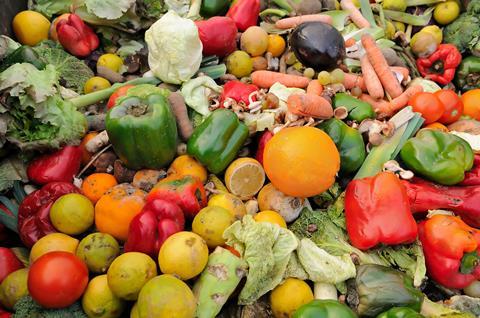
Food redistribution rose by 10 per cent in 2024, a slight slowing compared to the prior year, despite rising demand due to the cost-of-living crisis.
The figures, from Wrap’s latest report on food redistribution, showed that between 2023 and 24, redistributed food rose by 10 per cent to just over 210,000 tonnes, following a rise of 15 per cent between 2022-23.
Taken across the period, redistributed surplus food has increased by 45,000 tonnes, a rise of 27 per cent.
Most surplus food was collected from retail (46 per cent) during 2024, followed by manufacturing (28 per cent) and hospitality and foodservice (11 per cent), with just three per cent of redistributed food being collected from farms.
The report notes the potential for significantly higher rates of collection from farms. Post-farm surplus is estimated at 110,000 tonnes, while including on-farm surplus increases the figure to 470,000 tonnes.
Data in the report, released this week, only goes as far as 2024, before funding from Defra’s Tackling Food Surplus Fund, had been allocated.
Writing in FPJ recently, head of fresh produce at major food redistribution network FareShare, Emma Brown, said £9.2 million in new funding from Defra had allowed the charity to “significantly increase our capacity to store and redistribute fresh produce as well as raising awareness and engaging new suppliers.”
Almost all (92 per cent) of the redistribution agencies surveyed in the report said demand for surplus food has increased between 2023 and 2024, with “economic drivers” cited as a key factor.
The latest report has also highlighted a disparity in what type of organisation is responsible for redistribution, with charities, already accounting for 76 per cent of all food, having continued to grow, while commercial redistribution, accounting for 24 per cent, has remained broadly stable.