Survey highlights economic and environmental benefits of avoiding food waste, with average UK household of four wasting £200 worth so far in 2026
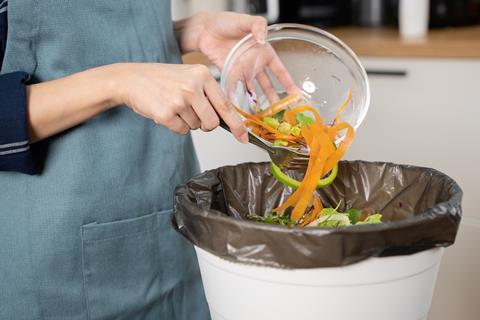
New survey data from Wrap’s Love Food Hate Waste brand shows that almost two thirds (64 per cent) of people in the UK think some food waste at home is inevitable and that there’s little they can do to avoid it.
When asked why, the key reasons for most relate to food spoilage and expiration dates, the complexity and unpredictability of daily life, and issues with cooking and portion control.
The survey also showed that 80 per cent believe they waste less food than the national average.
Love Food Hate Waste is determined to change this perception, and is using Food Waste Action Week 2026 to set the nation a five-day challenge highlighting how people can adapt their daily lives to waste less food.
From Monday 9 March to Friday 15 March the campaign group will give people tips on how to make their food go further, with a different focus each day:
- Monday – for your money
- Tuesday – for your time
- Wednesday – for your planet
- Thursday – for your health
- Friday – for your headspace
Wrap CEO Catherine David said: The average household of four spends a whopping £1,000 each year on good food that goes in the bin and could have been eaten.
“Of course, no one is choosing to waste food, which is why this Food Waste Action Week we are highlighting all the ways to ‘Make your food go fuuuuurther’ by giving people all the tips and tricks they need to fight food waste.
“And with councils now rolling out food waste recycling to people’s homes, any inedible food that does go in the bin can now be recycled.”
This year, the campaign will coincide with the roll out of Simpler Recycling in England. From 31 March, approximately four in five homes in England will be able to have food waste collected on a weekly basis and recycled into organic material, to help produce electricity and biomethane gas.
Environmental and financial impact
By the end of Food Waste Action Week, an average household of four will have already thrown away £200 worth of food they could have eaten.
Every year, 4.4 million tonnes of edible food is thrown away from UK homes, generating 16 million tonnes of greenhouse gas emissions.
The total cost of food waste is a staggering £17 billion per year, which is £1,000 a year for an average household of four.
On average, a person in the UK wastes food equivalent to three meals a week. What we waste as a nation per year would fill Wembley Stadiums eight times over and the Royal Albert Hall 88 times.
Separate food waste collections will make it more obvious what we’re throwing away and combined with Love Food Hate Waste and Food Waste Action Week campaigning, it’s hoped this will help many more people cut their food waste and save money.
Circular economy minister Mary Creagh said: “Food Waste Action Week is a powerful reminder that tackling food waste is one of the simplest and most effective ways to cut costs for families and reduce our impact on the planet.
“By making small changes like planning meals and using up leftovers, households can save hundreds of pounds while also helping to lower emissions.
“Our new Simpler Recycling reforms will make it easier for households to recycle their food waste – with all local authorities required to offer food waste collections from 31 March.
“I urge everyone to take part in Food Waste Action Week and play their part in building a more sustainable, resilient food system.”