A ’co-op shaped food system’ can help keep costs down and strengthen food security, according to Labour MP calling for new debate on how to expand agricultural co-ops in the UK
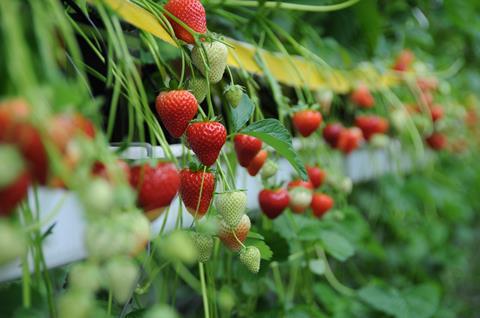
Almost all British berries are marketed through a Producer Organisation
A Labour MP has called on the government to make time for a debate on agricultural co-operatives and their role in strengthening the food system.
Jim McMahon, MP for Oldham West, Chadderton and Royston, used a speech addressing the Commons recently to point out the high membership of co-ops among farmers, and their ability to help keep food costs down.
“There are around 430 agricultural co-ops in the UK, with 150,000 farmer members and nearly £10bn in annual turnover, helping deliver high-quality food produced to some of the highest welfare and environmental standards anywhere in the world,” he said.
“The model works. Big players in this industry include Arla Foods with an annual turnover of around £2.5 billion, Openfield of around £600 million, & Mole Valley Farmers of around £600 million.
“And what do they all have in common? They are farmer-owned. This shows the power of producers working together to strengthen supply chains and back British farming.”
McMahon said that “a stronger, co-op-shaped food system can help keep costs down for local people, strengthen our food security, and put more power back into the hands of farmers and communities”.
“If the government is serious about doubling the size of the co-operative sector as pledged, we should be backing this model,” he said.
It comes as the scheme that had been funding Producer Organisations (POs) within the fresh produce sector, many of which are also co-ops, came to an end in Deccember 2025 with the closure of the EU Fruit & Veg Aid Scheme.
In January, Labour’s Emma Reynolds, secretary of state for Defra, confirmed there would be no like-for-like replacement for the scheme, which allowed POs to apply for match funding for projects based around sustainability, efficiency or innovation.
Instead, produce businesses must now rely on competitive grants open to all agriculture businesses, or other funding pots, such as the Sustainable Farming Incentive (SFI).
Devolved sectors in Northern Ireland and Scotland have voted to extend their PO funding, while European producers also still have access to the scheme through the EU.