The ‘nutrient dense’ salads, snacks and meals have higher amounts of key vitamins and minerals in relation to calorie content and are aimed at those with reduced appetites
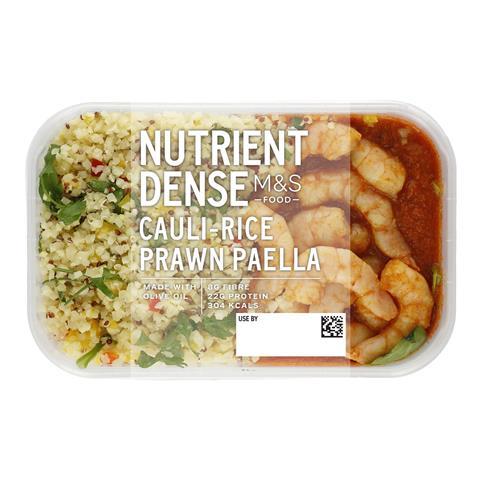
M&S Food has launched a new range of nutrient-dense salads, snacks and meals aimed at those with reduced appetites while taking weight loss medication.
The 20 products, which rollout next week, have been developed with M&S nutritionists under a ‘nutrient dense nutrition criteria’, made in consultation with the British Nutrition Foundation.
Each product contains at least one of 10 micronutrients such as vitamin D, iron, folate and vitamin B12.
The aim is to help consumers meet daily recommended amounts of fibre, vitamins and minerals, even if monitoring calorie intake due to lifestyle, age or weight loss medication, M&S said.
“With the increase in popularity of weight-loss injections, a reduced appetite can mean missing out on important nutrients and that’s why nutrient density is so important,” said M&S head of food nutrition, Grace Ricotti.
“We challenged ourselves to make products that are denser in nutrients than calories, so every single mouthful is packed full of more of the good stuff we all need.”
The new Nutrient Dense range features Super Seeded Oaty Bread and the ‘H₅O shot’, made with coconut water, ginger juice, fruit and vegetable fibres, sea moss and botanicals such as panax ginseng, Japanese honeysuckle and green cardamom.
Users of weight loss medications experience drastic reduction in appetite, often consuming around 50 per cent of their typical calorie intake. The wide uptake and predicated growth of the medication in 2026 is expected to transform the food industry, as users avoid indulgent snacks and junk food, as well as eating less overall.
Restaurants and snack brands are already responding to the trend, offering multi-size options of main courses or desserts, or ‘functional’ ready meals that allow people to reach nutrient intake through smaller portions.
More generally, the UK population is deficient in several nutrients, with 96 per cent not meeting the daily fibre recommendation, according to the government’s National Diet and Nutrition Survey 2025.