



Earlier harvest and overlap with California season expected to reduce shipments, while apple production rises
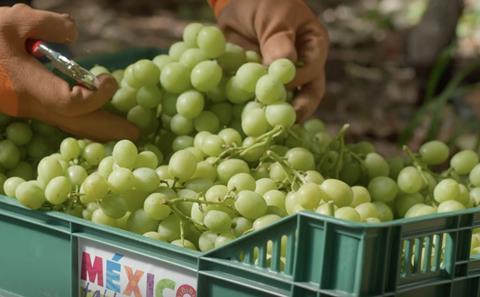
Mexican table grape exports are forecast to fall 10 per cent to 185,500 tonnes in 2026/27 as lower production and an earlier harvest shorten the country’s commercial window in the US market.
According to a new report published by the USDA’s Foreign Agricultural Service (FAS), production is set to decrease by 7 per cent to 365,000 tonnes following spring heat stress in Sonora and drought across northern Mexico, while planted area is expected to fall 6 per cent to 22,900ha.
The report said warmer winter and spring conditions had brought the Mexican harvest forward by around two weeks, while California’s season also began early because of regional heat.
The resulting overlap increased supply in US retail channels, reduced prices and prompted buyers to switch to Californian grapes earlier than usual, it said.
As a result, Mexican exporters consequently faced a shorter shipping window through Nogales before major US retail programmes moved to domestic supply from California’s San Joaquin Valley.
Imports into Mexico are meanwhile forecast to decline 5 per cent to 135,000 tonnes, with the US traditionally supplying more than half of the total, followed by Chile and Peru.
Apple production higher
The outlook for apples is different, with FAS forecasting Mexican production to increase 5 per cent to 852,000 tonnes as growers adopt higher-density orchards, irrigation technology and shade covers, supported by favourable weather.
Higher domestic availability and broadly stable consumption are expected to reduce apple imports by 9 per cent to 310,000 tonnes.
The US dominates Mexico’s imported apple market, while an antidumping investigation into US fresh apple imports launched by Mexico’s Ministry of Economy in early January remains ongoing. FAS said no duties had been imposed by the time its report was published on 30 October.
Mexico will remain heavily dependent on imported pears, according to FAS, with domestic production forecast to remain broadly stable at 28,050 tonnes and imports edging 1 per cent higher to 85,000 tonnes.
Imported fruit accounts for more than 75 per cent of Mexico’s annual consumption, with Green and Red Anjou from the US Pacific Northwest providing much of the year-round availability. The US accounted for 86 per cent of Mexican pear imports in 2025/26, and Argentina supplied the remaining 14 per cent.
Across the three categories, the US remains Mexico’s principal trading partner. FAS forecast domestic consumption of apples to rise just 1 per cent to 1.16mn tonnes and pear consumption to increase 1 per cent to 113,000 tonnes, while table grape consumption is expected to fall 4 per cent to 314,500 tonnes as retail price inflation puts pressure on household budgets.