Varieties that bring together plant performance, resistance and eating quality, along with greater value creation, will help drive growth
For those working on new tomato varieties, much emphasis is now placed on resistance, a reality of the world we live in today and the rising threat of diseases such as ToBRFV.
Considering the needs of the entire value chain remains key, however, and Axia Semillas sales director Pedro Pesquera confirmed that the end goal is unchanged: producing a tasty product that appeals to consumers.
“Our focus is very clear. We want to develop genetics that make a real difference in the market,” he confirmed. “That means combining productivity and resistance with something that is increasingly important – a tomato that people actually want to eat. We don’t want to develop a resistant tomato that compromises yield, plant performance or eating quality. The challenge is to bring all these characteristics together in one variety.”
At the same time, Axia is investing strongly in differentiated segments – particularly tomatoes where flavour, appearance and consumer experience can create additional value.
“We see a lot of potential in this area because the future of the tomato business cannot be based only on producing more kilos,” he noted. “We need to produce more value per kilo.”
Resistance, resilience and taste
While disease resistance is not the be all and end all, its importance cannot be understated in the current climate. Resistance and, indeed, climate resilience, are no longer optional characteristics; rather, they are fundamental to the future of tomato production.
“ToBRFV is the obvious example,” Pesquera continued. “The virus has forced the whole industry to rethink how we breed, produce and manage crops. But we don’t believe the answer is simply to put a resistance label on a variety and consider the job finished. The real question is: how does that variety perform under commercial pressure?
“We therefore look at resistance together with plant strength, vitality, yield, fruit quality and consistency,” he pointed out. “And climate resilience is becoming equally important. Growers are facing higher temperatures and increasingly unpredictable conditions, so varieties need to be able to maintain performance when conditions are far from ideal. That is where breeding becomes particularly challenging – and particularly interesting.”
A myriad of other traits must be considered when developing new varieties, with the three key customer groups – growers, retailers and consumers – becoming more closely connected, according to Pesquera. Growers need productivity, plant balance, vitality and a crop that is manageable and reliable, while retailers demand consistency, shelf-life, presentation and a product that can maintain its quality through the supply chain. And then, consumers want something much simpler: a tomato that tastes good.
“The industry sometimes makes the mistake of thinking that appearance sells the tomato,” he noted. “Appearance gets the consumer to pick it up; flavour determines whether they buy it again. That is why taste is becoming such an important part of our breeding strategy. We believe the next generation of successful tomato varieties will have to deliver both agronomic performance and a genuinely good eating experience.”
Market segmentation
The tomato market itself is becoming more segmented, a fact Pesquera sees as a positive. Consumers are increasingly prepared to differentiate between tomatoes based on taste, format, convenience and quality. Cherry and snack tomatoes are a clear example of this change, fitting into modern lifestyles and offering different eating experiences to traditional tomatoes. In addition, consumers are now more willing to pay for a product when they understand why it is different. That is important, as premiumisation only works if the consumer can experience the added value.
“For us, this creates a very clear opportunity – don’t compete only on kilos and price,” he reiterated. “Develop tomatoes with characteristics that consumers can recognise. I think the future will be about value rather than volume. We need to produce tomatoes that are profitable for the grower and meaningful for the consumer.”
In terms of Axia’s varietal offering, Pesquera explained that each one fulfils a specific role in the group’s portfolio. What they have in common is that they have been developed with a very clear objective: solving a real need in the market.
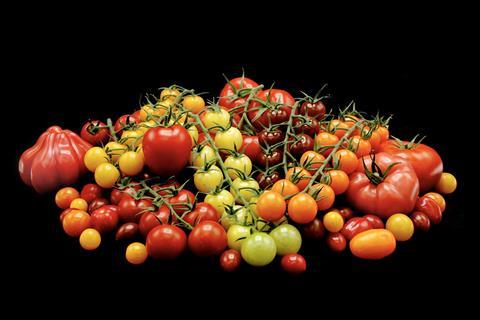
“Axiany is a good example,” he said. “It combines flavour, crunchiness, high Brix and an attractive truss with strong agronomic performance. We also have an expanding range of XR varieties that respond to the industry’s need for high resistance to ToBRFV without losing commercial performance. And then we have our FlavorAx concept, which is particularly important for us because it represents our approach to taste. We are looking for tomatoes with real flavour – the right balance between sweetness, acidity, aroma and texture – rather than simply selecting for appearance.”
Future growth
Pesquera believes that for the business to grow to its full potential, the perception of tomatoes as a commodity needs to change, with more value created throughout the chain. That means better genetics, more efficient production, greater resistance, better use of resources and, above all, a better product for the consumer. He also calls for stronger collaboration between breeders, growers, retailers and the rest of the supply chain.
“For Axia, our role is to understand those different needs and bring them together through genetics,” Pesquera added. “The tomato industry has some very significant challenges ahead, but I also see enormous opportunities. We have the technology, the breeding knowledge and the consumer demand to create a new generation of tomatoes that are more resilient, more efficient and more enjoyable to eat.”
Click here to register for Fruitnet Tomato Congress, which takes place in Granada on 5-6 November