Improved water reserves have lifted the mood in Morocco, but persistent rain is disrupting citrus harvesting and forcing downward revisions to export expectations
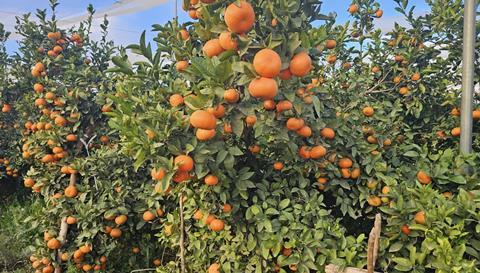
After years of water scarcity, Morocco’s dams have been replenished by months of exceptional rain, renewing citrus producers’ hopes for the future of agriculture in the country, but also creating major challenges in the short term.
According to Fatiha Charrat of Moroccan producer Delassus, the abundant rainfall has increased growers’ confidence concerning future availability of water resources for irrigation.
“Thanks to these abundant rains, the total volume of water stored in the country’s dams now exceeds 9bn cubic metres, with a national filling rate of 54 per cent, a level not seen since mid-2019 and a marked improvement compared with the situation at the end of last year,” says Charrat. “This resurgence in water reserves has renewed our hopes for the medium-term outlook for agriculture, boosting confidence in improved irrigation availability and overall water security for key producing regions.”
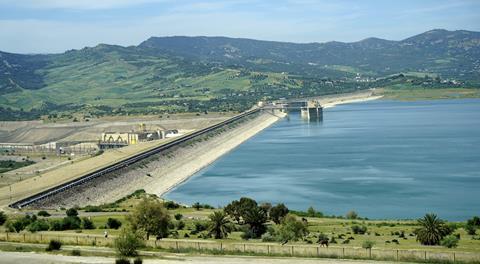
The improved filling rate marks a “clear turning point”, according to Charrat, after “several years of cumulative water deficit”, providing critical support for irrigation during the fruit sizing phase.
In the short term, however, the situation is proving much more challenging. “The very high humidity is already causing damage in tomato crops,” reveals Charrat, “while citrus harvesting has become increasingly difficult due to persistently wet conditions.”
Delays in harvesting, expected congestion at packing stations and increased quality risks are now forcing the sector to reassess export expectations initially set at the start of the season. Nadorcott exports could be down by 15-20 per cent compared with October’s forecasts.
“Persistent rainfall has had a direct operational impact on export logistics,” says Charrat. “Harvesting activities have been repeatedly interrupted, access to orchards limited and picking windows significantly reduced across all production regions. In addition, logistics have grown more complex, as port operations are currently heavily disrupted, both in Agadir and in Tangier, creating significant constraints for exports and supply chain planning.”