GenShield platform disables apple and pear genes that make them susceptible to the pathogen
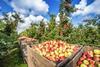
Okanagan Specialty Fruits (OSF) has revealed the world’s first gene-edited apple tree, which can tolerate the fire blight bacterial disease.
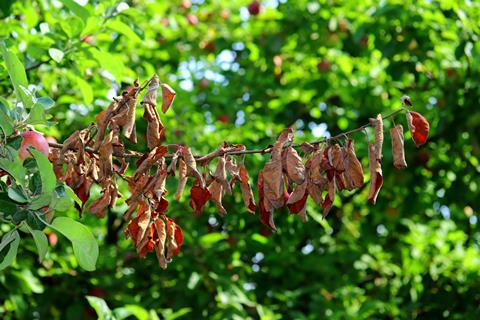
The tree was developed through OSF’s GenShield, a genetic-based plant protection platform that uses gene editing to deliver disease tolerance in apple and pear, as well as other fruit plants.
According to OSF, it is the first company in North America to take a gene-editing approach to develop the disease tolerance trait in apple to reduce crop losses, improve yields and decrease reliance on the chemicals used in prevention and treatment.
“As apple growers, we know first-hand the difficulty and expense of trying to prevent and control fire blight through pruning and chemical programs,” said OSF CEO and co-founder Neal Carter. “GenShield solves that problem because the fire blight tolerance is built directly into the tree itself.”
OSF’s advanced plant genomics lab in Saskatoon, Canada, used the GenShield platform to disable the genes that make apple and pear susceptible to fire blight. The pathogen will still enter the plant, causing a small lesion at the infection point. But the disease will not spread because the genes that allow fire blight bacteria to persist in a tree after initial infection have been knocked out.
“We need innovation to grow fruits and vegetables more sustainably and keep them within reach for more families,” said Max Teplitski, chief science officer for the International Fresh Produce Association. “Gene editing gives breeders another way to help a crop withstand pests and diseases so more of what growers plant can make it to the table, with fewer inputs.”
Fire blight is the costliest disease in apple and pear. It causes an estimated US$3.2bn to US$5.6bn in global damages annually and can reduce yield by 40 per cent. Fire blight has no known cure. Instead, growers use antibiotics, chemicals and aggressive pruning to try and manage the fast-spreading disease, which can kill thousands of trees in an orchard experiencing a severe outbreak.
OSF is seeking partnerships with variety owners around the world interested in using the GenShield platform to develop disease tolerance in their own apple and pear varieties. The technology also has the potential to address diseases in other specialty crops. OSF is preparing to license its first disease-tolerant apple variety to growers in North America.
“This development comes at a particularly opportune time as the EU updates its regulatory framework to allow certain gene-edited crops,” said Walter Guerra, an Italy-based apple and pomology researcher who leads the Institute for Fruit Growing and Viticulture and serves as deputy director of Laimburg Research Centre. “Crops developed through New Genomic Techniques (NGTs) have the potential to contribute significantly to a more sustainable, resilient and regenerative agriculture.”
GenShield represents the latest fresh produce innovation from OSF, which developed and successfully markets the world’s first nonbrowning Arctic apple in a bid to reduce food waste. OSF’s use of biotechnology has evolved over the years to emphasise gene editing, leading to development of the GenShield disease tolerance platform.
“We pride ourselves on solving some of the biggest challenges facing the fresh produce industry,” Carter said. “Since fire blight is a major problem for apple and pear growers, we chose to tackle it first with GenShield.”