Geopolitical, logistical and climate disruptions all combine to prompt major shakeup in country’s grape export business
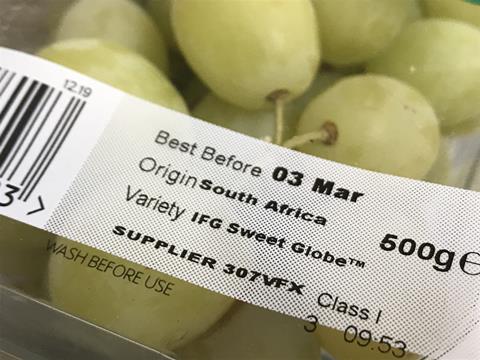
Following a record campaign in 2024/25, South Africa’s table grape exports to the US fell by 86 per cent last season as a newly applied import duty took effect, according to a report from the USDA’s Foreign Agriculture Service.
According to the update, shipments to the US fell below 2,000 tonnes between October 2025 and April 2026, from more than 10,000 tonnes in the previous season. As a result, it said, more fruit was redirected to buyers in Europe.
South Africa usually sends mainly white, red and black seedless grapes to the US.
Almost one quarter of all South Africa’s table grape exports departed the country via ports other than Cape Town during the 2025/26 export campaign, as disruptions persisted at the industry’s main port of exit.
As a result of an earlier harvest, operational difficulties and inefficiences at the port itself, and a record number of weather-related delays, exports through the Port of Cape Town decreased to 76 per cent of the total grape export deal, from 90 per cent in 2024/25.
Meanwhile, exports through Eastern Cape ports increased to 21 per cent from 6 per cent in 2025/26, while 3 per cent of grapes were exported through the Durban, and less than 1 per cent through Walvis Bay in Namibia.
Consolidation continues
The report also noted that South Africa’s table grape industry appeared to be consolidating, with area planted peaking at 21,800ha in 2018/19 and declining to an estimated 19,390ha last season.
Flooding in 2025/26, as well as other logistical disruptions, are thought likely to limit expansion in planted area during the coming 12 months.
However, rainfall-boosted dam levels and newer, higher-yielding varieties are expected to support production growth.
South Africa’s Western Cape Province, which accounts for about 61 per cent of area planted under table grapes in the country, experienced heavy rains in May 2026, which caused flooding across the Berg River, Hex River, and Olifants River table grape producing regions.
There are some positive signs for the industry, however, even though planted area continues to decline from its 21,800ha peak in 2018/19.
Those include good reservoir levels – ironically boosted by the rains – and the arrival of newer, better-yielding varieties.
Earlier this year, the Korean market officially opened to table grapes from South Africa, and the first consignment is expected to embark on its journey next season.