Increasing intake of fruit and veg to five-a-day while cutting back on meat and confectionery could help Brits save £550 a year, new research has found
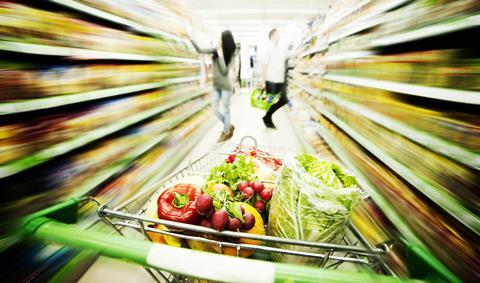
Eating more fruit and veg alongside less meat and sugary items could save UK households around £550 a year, according to new research looking at the affordability of healthy diets.
Buying and eating enough fresh produce to meet the recommended 5-a-day could save people up to £10 a day, alongside buying slightly less meat and sugary items that are seeing higher rates of food inflation.
The research, by sustainable food alliance Eating Better, used government databases, price analysis and guidance from the Eatwell Guide and Planetary Health Diet frameworks, to compile findings.
“With many families struggling to absorb increased living costs, particularly since the start of conflict in the Middle East, this analysis shows that a few simple switches at the supermarket can help a little,” said senior research and policy manager at Eating Better, Andrew Stark.
“However, for all families to benefit, the retail environment needs to make fresh fruit, veg and pulses easier for everyone to access, regardless of where they live,” he added.
The Eating Better analysis found that reducing red and processed meat by around two thirds would help people save about £9 a week, or over £460 a year, alongside a smaller decrease in chicken and turkey that would save about £33 year.
Halving consumption of cakes, biscuits, confectionary and soft drinks would save £7 a week, over £370 a year.
Brits currently consume 1.8 portions of veg and 1.7 portions of fruit a day, and increasing this to a combined five portions a day, would cost less than £4.50 a week.
Making these changes together, as well as increasing consumption of pulses, would see households save overall, the figures found.
Calculations were based on the current weekly consumption of food groups for the average UK adult, compared to the recommended diet according to Planetary Health Diet (for meat) and the Eatwell Guide (for fruit, veg and sugar).
With food inflation projected to reach at least nine per cent this year, the price of dairy, beef, sugar and chocolate have been rising faster than other foods, peaking at around 16 per cent inflation on some products last year, with climate change impacting these products more than others.
Brits currently get around twice the recommended number of daily calories from added sugar products, representing around six per cent of total food budgets.
It comes as the cost of fruit and veg has made recent headlines, with deals of 4p for some veg lines seen in some retailers across the Easter weekend, while produce businesses struggle to cover rising costs of fertiliser and energy.
Retailers have been at pains to stress any promotions are covered internally and not by growers, and there are hopes of flexibility on contracted prices within the industry as a result of the Middle East crisis.
The analysis did not include potatoes, food consumed while eating out, or wheat products such as bread and pasta, as it focused on simpler swaps that are critical to a healthier diet.


