The amount of land dedicated to organic farming in the UK has reached its highest figure in more than a decade, but England and Wales are lagging behind Scotland
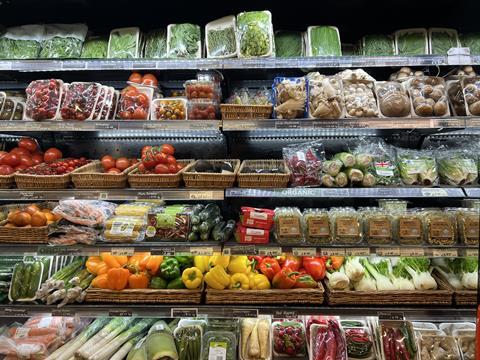
Soil Association Certification has attributed the UK’s surge in organic farmland to rising fertiliser costs, rising concerns surrounding sustainability and rising consumer demand.
According to figures published this week by Defra, organic land rose by 7.3 per cent in 2025 to 540,000ha, the highest total in over a decade.
The increase has largely come from Scotland, where land in conversion increased by 115 per cent, rising from 26,000ha in 2024 to 56,000ha in 2025. Scotland is now at 3.3 per cent Organic land share in Scotland now stands at 3.3 per cent, up from 1.8 per cent in 2021.
Soil Association Certification’s senior commercial manager, Alison Muirhead, commented: “Farmers are turning to organic as not only does it provide huge benefits for the environment and wildlife, it also makes good business sense. Even amid cost-of-living pressures, sustainability and health are a big concern for shoppers, and consumer demand for organic has been rising for the last 14 years.
“It’s great to see farmers responding so we can better meet that demand with British products instead of imports. Furthermore, fertiliser costs were rising even before the Iran war, so it is unsurprising that farmers are looking for a system that doesn’t depend on gas from conflict zones. And with increasingly extreme weather, farmers need the healthy soils that organic delivers, to be more resilient to drought and flooding.”
The Soil Association is calling for Organic Action Plans for England and Wales in order to replicate Scotland’s success.
Land in conversion in England increased by 23 per cent to 24,200ha in 2025, with the West Midlands seeing the biggest rise. Wales recorded a four per cent increase, but fully organic land was down by six per cent.
“It is great to see a rise in organic land across most of the UK, but the increase is largely being driven by the appetite in Scotland,” said Muirhead. “England and Wales are lagging way behind as Westminster and the Senedd are not showing as much commitment as the Scottish Government.
“In Scotland, ministers are actively championing organic for the benefits it can deliver for soils, nature and climate by avoiding harmful, fossil-fuel based inputs. In addition to the target to double organic land, the government has also rolled out a funded Organic Action Plan, which is bringing the supply chain together to break down barriers to making local organic food and drink accessible.
“Scotland is a great example for how with the right backing from politicians and supply chain experts, we can produce nature-friendly food and drink on healthy, home soils. We therefore urgently need Organic Action Plans for England and Wales so the whole of the UK can feel the benefits organic delivers.”