Household fruit and vegetable purchases remained stable in the first quarter, but doubt remains over consumer confidence
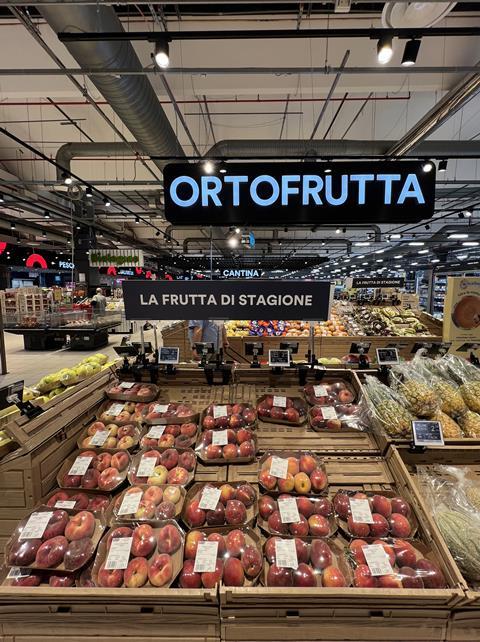
Consumers in Italy spent slightly more on fruit and vegetables in the first quarter of 2026, although a downturn in March attributed to the worsening global economic outlook was a cause for concern, and may eventually elad to an extended slowdown in confidence.
Those are the headline findings of a new report from CSO Italy, which said the three-month period ended with household fruit and vegetable purchases holding steady and spending slightly up.
According to the analysis, which was based on YouGov data, the olume of fruit and vegetables purchased in Italy between January and March came to approximately 1.3mn tonnes, essentially in line with the same period in 2025.
The total value of those sales exceeded €3.25 billion, an increase of 1 per cent.
However, the decrease in spending during March offset the positive results recorded in the first two months of the year, CSO said.
“In an increasingly complex economic environment marked by international geopolitical tensions, persistent inflation, and new increases in energy and logistics prices, partly linked to the escalation of the conflict in Iran, domestic fruit and vegetable purchases decreased by 3 per cent in volume compared to March 2025, stopping at approximately 503,000 tonnes,” it stated.
Spending, however, did continue to grow (+1 per cent) during that same month, reaching €1.3bn thanks to an average price of €2.60 per kg, a record high for the month.
Category detail
Despite the widespread slowdown, overall volumes of both fruit and vegetables sold in the first quarter matched those sold in the same period 2025.
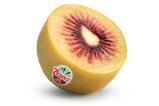
Certain fruit products showed remarkable resilience and adapted to changing consumer preferences, the report highlighted, among them bananas (+10 per cent), kiwifruit (+21 per cent), avocados (+14 per cent), table grapes (+47 per cent), and berries (+35 per cent).
Citrus, on the other hand, appeared to struggle, with oranges down 5 per cent, mandarins down 6 per cent, and clementines down 13 per cent. Strawberry volumes, similarly, fell by 16 per cent.
As for vegetables, there were positive results in the first quarter for carrots (+11 per cent), cabbage (+11 per cent), pumpkins (+25 per cent), radicchio (+34 per cent), asparagus (+27 per cent), and green beans (+11 per cent).
Certain traditional Mediterranean staples fared worse, however, including such artichokes (-18 per cent), broccoli (-15 per cent), aubergines (-21 per cent), and tomatoes (-8 per cent).
Resilient retail
The role of large-scale retail trade further strengthened between January and March, CSO noted, as supermarkets and discount stores further increased their market share at the expense of traditional channels.
Street markets and local markets did particularly badly, recording a 21 per cent drop in volume during the period and almost halving their 2022 figure (-48 per cent).
Specialty stores and greengrocers also saw a 10 per cent decline, the report suggested.
Packaged food also continued to grow, reaching 45 per cent of total volumes in the first quarter, the highest level ever recorded.
“These data confirm how convenience, service, and ease of use have become increasingly crucial factors in Italian families’ purchasing decisions,” CSO said.
There were more positive signs from the organics market, which continued to demonstrate strong resilience even amid a general slowdown in consumption.
In March, organic purchases remained stable in volume and grew 6 per cent in value, while in the first quarter as a whole, organic products reached a record 11 per cent share of the total fruit and vegetables purchased by Italian families.