The Gulf faces the possibility of fruit shortages, as vessels remain stranded at sea and new routes are sought, with few willing to take the risk
Logistics in the Gulf are being “greatly impacted” by the US-Israeli war on Iran and the latter’s retaliatory strikes across the region, according to Mustafa Altaf of Dubai-based trader Altaf Hussain Trading Co.
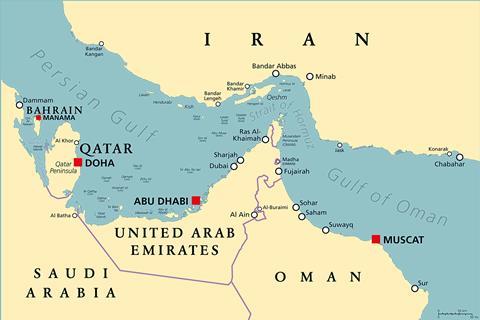
“Currently vessels are berthing at Khor Fakkan,” he said, referring to the smaller UAE port situated near Fujairah, over 100km south of the entrance to the Strait of Hormuz, which Iran has effectively blocked.
“Shipments of mandarins and potatoes from Pakistan are being affected,” Altaf told Fruitnet. “A lot of produce is now coming from Egypt, Turkey and Saudi Arabia by road.”
Dubai trader Global Star Group said regional trade was entering “uncharted territory”. “Due to the regional situation, we are seeing a massive price spike across all products, yet movement has slowed to a crawl – a highly unusual trend for the holy month of Ramadan,” the company stated. “The market is currently split between those liquidating at lower points and those holding stock at unsustainable highs. Combined with war surcharges and undefined shipping routes, the market is struggling to absorb these costs.
“Current loading schedules suggests a looming fruit shortage in the region for the next few weeks. Considering the current transit times and disrupted loading schedules, the supply gap is likely to widen before it stabilises. We are in ‘wait-and-see’ mode as we track when the situation might normalise.”
For European exporters with containers on the way to the Gulf, competition is “fierce”, according to Christophe Belloc of Blue Whale. French channel TF1 reported that nearly 5,000 tonnes of French apples were currently stuck on ships in the Strait of Hormuz.
According to George Kallitsis of Greek exporter Youphoria, the timing is worse for South African and South American producers. “For lemons and oranges it is close to a nightmare situation,” he said. “There are not many shipments from Greece to the Middle East, just some kiwifruit and apples. So far this season, only 160 tonnes of Greek kiwifruit has been exported to the UAE, which is around seven containers, so very small. For Saudi Arabia, it’s been about 40 containers in total.”
Part of the reason for the lack of market penetration has been Iran’s historical dominance of the local kiwifruit market. So could Iran’s current woes create opportunities for those with fruit in stock?
“There is still a good volume of Greek kiwifruit left, with overseas shipments expected to continue until mid-April,” said Kallitsis. “Approximately 30 per cent of the fruit is still in storage, maybe around 100,000 tonnes.
“We’ve had a few requests in the last week for kiwifruit for the Indian market,” said Kallitsis, “because obviously Iran is closed now, and India is a very big market. But of course, nobody wants to take on the risk of the shipment, and nobody knows if and when a container will arrive.”