This season, Turkish cherry volumes are expected to bounce back in a big way after last year’s frost-bitten campaign
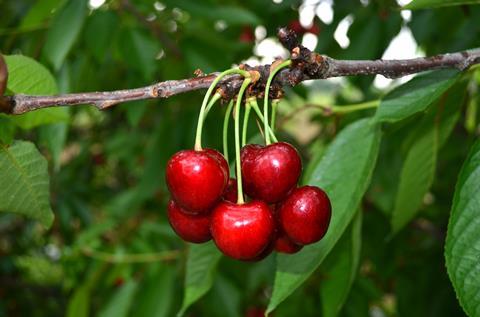
Ideal winter conditions provided ample chilling hours for Turkey’s well-rested cherry trees, but it’s been the lack of any major frost this spring, the scourge of last year’s regrettable campaign, that has most pleased growers and exporters.
Karim Taner of Turkish exporter Perla Fruit welcomed a “smooth spring without any major frost issues so far. We are looking at a great cherry season, with top quality and satisfactory volumes from every region.”
“So far, the weather conditions indicate that we will have a season exactly as we had hoped,” added Ceyda Gündüz, general manager of Lotus Fruit, a new Turkish company and brand that “continues the legacy” of its predecessor, Alya Fruits. “The flowering occurred exactly as we had desired. As for pollination, it developed well. And nearly all the flowers that formed remained on the trees, indicating a significant volume.”
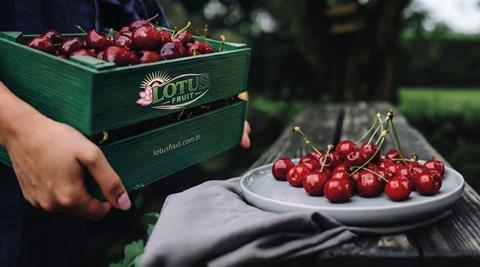
Gündüz believes the trees are bouncing back from last year’s frost damage. “The lack of fruit caused the trees to rest, and this year, the trees are in full bearing,” she said. “I think last year’s low yield led to this year’s high volume.”
Extreme conditions are something growers may increasingly have to get used to, but Turkey’s wide geography gives the country at least one potent advantage.
“Volatile weather patterns affect production trends,” explained Perla Fruit’s Taner. “However, Turkey’s most important value in the cherry business is having alternative regions all over the country throughout an eight to ten week supply period.”
Perla Fruit will be focusing mainly on the German market, Turkey’s presence on the UK market having waned in recent years.
“The UK was a very important market for Turkish cherries in the 2000s,” explained Taner, “but due to the longer journey time and additional customs during the UK’s own production, the window has become pretty short.”
Meanwhile, rising costs of transportation are not helping matters. “The UK is an important market for the Lotus Fruit brand,” resumed Gündüz. “However, Spain is increasingly becoming a competitive factor in this market. And rising logistical costs are getting in the way of our competitiveness in this regard.”
With oil price rises severely affecting the cost of packaging, transport, fertiliser and electricity, the current focus for Turkish exporters this season will be on trying to control these rising costs while continuing to access financing.
That may include looking at alternative markets that offer better returns or at least lower transportation costs. Although the main market for Turkish cherries has long been Europe, significant progress has been made lately in markets like East Asia.
“Our focus at Lotus Fruit is now on East Asia and the Middle East,” said Gündüz. “We have identified significant potential in places like Hong Kong, Malaysia and Singapore. The most important factor in the development of these markets is Turkish Airlines, which provides a regular service to these destinations. We are the biggest exporter to these markets and we plan to invest in them further.”