Water storage, adaption to sustainable farming and increased domestic production are critical if the UK is to maintain farming viability and food security, according to government climate report
British farmers and growers are facing “unprecedented severity” in extreme weather including floods, heat and drought, which threatens the viability of the sector without government intervention.
That’s one of the key messages from the latest report from the UK government’s Climate Change Committee (CCC), ‘A Well-Adapted UK’, published today (20 May).
The report states that by 2050, the amount of high-quality farmland in England and Wales will fall by 40 to 10 per cent, without adaption measures.
In the worst years, disruption could make some farms unviable, the report said.
“It is now nearly 20 years since the Climate Change Act was passed,” said report chair, Baroness Brown. “In that time the UK has reduced greenhouse gas emissions by 42 per cent. But there has been little progress on preparing ourselves for the changing climate.”
According to the report’s executive summary, by the middle of the century, the UK’s climate will be much more extreme than today.
”Peak river flows will be up to 45 per cent higher, last longer, and be seen more frequently, driving increased flooding,” the report states.
“Drier summers will mean shortfalls in water supply could reach over five billion litres per day, making drought more widespread. Without global emissions reductions, these risks may go past the point where the UK can protect itself with adaptation measures.”
To keep farming viable, the report suggests that:
- Resilient soil and water management practices and better use of technology will be needed across all farm types, as well as more space to help nature adapt on farmed land.
- From now through to 2050, domestic food production should be maintained at 60 per cent at least.
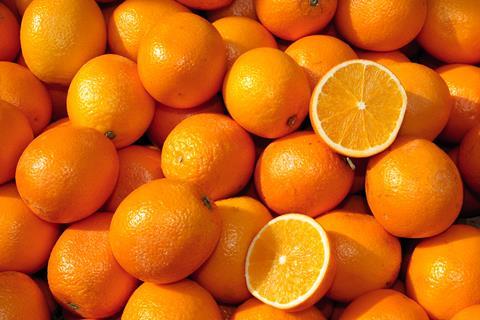
- Some farms will have to shift production entirely. Some new crops, like oranges or chickpeas, could become viable in the south of the UK with warmer average temperatures.
- Government should help drive adaption on farms by enabling and supporting farmers to store more water, change practice and diversify, using current subsidies as incentives to adapt.
The NFU has welcomed the report findings, and noted that while farmers are already adapting, they cannot do it alone.
“We welcome the CCC’s recognition of how extreme weather impacts farming and agree that we can still grow domestic food production, but only if government helps farming adapt now,” said deputy president, Tom Hopkins.
“That means backing on farm water storage, dynamic water abstraction, soil resilience, lowering disease prevalence and removing barriers to growth.”
The Soil Association’s head of policy, Gareth Morgan, warned that the CCC modelling is based on the UK’s current volume of food imports, without considering how that should change to reduce future food insecurity.
“In an increasingly flooded and drought stressed world, it is dangerous for us to continue with our current reliance on imports, especially for fruit and veg,” he said.
“The government urgently needs to double production and consumption of British fruit and veg and the much-anticipated Horticulture Growth Plan should set out how this can be achieved.”
Risks to food security
On the imports side, the report noted that around 40 per cent of food consumed in the UK comes from overseas.
By 2050, under two degrees of warming, simultaneous crop failures in multiple major producer regions, or significant disruption of food supply chains, could lead to increased food prices and more volatile inflation, it outlined.
Food businesses will need to develop measures to manage risks, while government-led stress-testing of critical food supply chains will be needed to gain a better understanding of where bottlenecks exist.
“The government’s own national security advisors, as well as a host of other security and food experts have issued warnings of a growing risk of serious disruption to UK food supply chains, from ecosystems that could collapse in the 2030s,” said head of international at the Energy & Climate Intelligence Unit (ECIU), Gareth Redmond-King.
“We import two fifths of what we eat, and already see climate change adding hundreds of pounds to UK household food bills, with worsening extremes overseas compounded by those at home that caused the second worst harvest on record last year,” he added.