

Global consumption is projected to continue a decade-long decline in 2026/27, according to Rabobank

Brazil Sao Paulo oranges AdobeStock_883507121

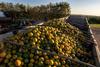
A truck loaded with oranges in the state of Sao Paulo

Image: Adobe Stock

Global orange juice demand is expected to decline again in 2026/27 despite a sharp fall in juice futures prices, as high retail prices continue to put off consumers, according to Rabobank.

The bank said global orange juice production was expected to fall by 13 per cent this season to around 1.16mn tonnes.

That trend has been driven primarily by a smaller Brazilian crop – the result of adverse weather and continued incidence of citrus greening.

Meanwhile, consumption is projected to decline by a further 3 per cent to just over 1.04mn tonnes, extending a decade-long drop in demand.

For the fresh orange sector, the report suggests little short-term disruption, but sustained low returns in Brazil could curb new plantings and investments to tackle disease.

The crop forecast around São Paulo, the world’s largest orange juice production area, is around 255.2mn boxes, down 12.9 per cent on the previous season’s 292.9mn boxes, according to Fundecitrus data quoted by Rabobank.

The forecast reflects hotter and drier weather conditions and the continued spread of citrus greening, which reportedly affected 47.6 per cent of trees in 2025.

Rabobank said greening-related fruit losses could approach 50mn boxes this season, resulting in economic losses to growers of about US$300mn, in addition to higher costs for fertiliser, labour and crop protection.

The bank also warned that demand would struggle to recover. Frozen concentrated orange juice prices have fallen from around US$7,000 per tonne in late 2024 to about US$2,850 per tonne in May 2026.

At the same time, however, retail prices in key markets remain at near-record levels.

In the US, average retail orange juice prices rose from US$2.50 per litre in 2023/24 to approximately US$3.10 per litre last season, which had a negative impact on sales.

Rabobank said retailers and bottlers appear to be prioritising margins over volume growth.

At the same time, stocks are forecast to reach around 490,000 tonnes in 2026/27, their highest in seven years.

Rabobank said those larger inventories would probably prevent a recovery in prices and keep margins under pressure, and also likely mean a decline in planted area and less effective citrus greening controls.