Organics group warns EU’s legislative proposal on New Genomic Techniques risks jeopardising future of European farming and consumers’ freedom of choice
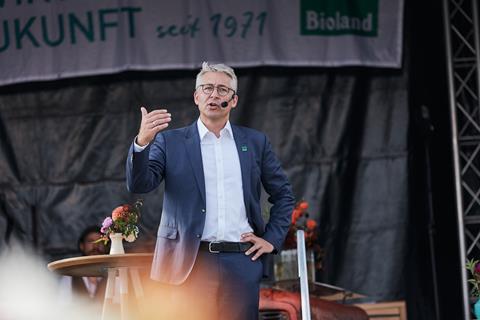
Farming group Ifoam Organics has pointed its finger at “strong political pressures” behind the EU’s legislative proposal on NGTs, or New Genome Techniques, and urged policymakers to “rectify this mistake and defend their original demands on the topic of patents on NGT crops and traceability”.
Jan Plagge, president of Ifoam Organics Europe, commented: “The provisional agreement is a striking testimony to the continuous pressure to force a conclusion on the NGT proposal as soon as possible and at any cost.”
He cautioned that the stakes of these negotiations were high. “Largely on the basis of hypothetical promises about the potential sustainability of NGTs, the future of European breeding, farming and food is being put at risk,” he said, “as well as consumers’ freedom of choice and right to know what is in their food based on clear labelling provisions.
“In 2024, MEPs from across the whole political spectrum rightfully cast their vote to introduce a clear approach in the official parliament position, both on the topic of patents on NGT crops and a product label based on full supply chain traceability to safeguard the entrepreneurial freedom of Europe’s food companies. Now that the file goes back to the ENVI committee and the plenary, the Parliament must make use of this last opportunity to defend these important safeguards, rather than being pressured into accepting a negotiated agreement that has drifted far away from their original demands.”
Plagge warned that this trilogue agreement included “no effective provision” limiting the scope of patents and protecting the “freedom to operate of traditional European breeders”.
“Without an effective legal solution, the EU risks hindering real innovation in plant breeding, rather than promoting it,” he warned. “It is difficult to understand how Parliament’s negotiators could simply back off from the European Parliament’s clear demands to protect European SMEs and food sovereignty.”