Eosta publishes results of its Organic Raingrown project, which sources fruit only from producers that use natural rainfall rather than irrigation
A Dutch project to source avocados and oranges exclusively from regions where water supply comes only from natural rainfall saved an estimated 1.6bn litres of water in 2025, according to its backers – equal to the entire daily water consumption of around 11mn people in Europe.
Leading importer Eosta, which launched the Organic Raingrown initiative and revealed the results at Fruit Logistica 2026 in Berlin, calculated that 1.4bn litres had been saved on avocados alone during the 12-month period, as well as a smaller amount on oranges.
Unlike irrigated agriculture, any water used to produce Organic Raingrown fruit is not extracted from scarce drinking and sanitary water, but comes entirely from natural rainfall.
At a time of increasing water scarcity, the company said the concept demonstrated how organic cultivation using only natural rainwater could lead to “very substantial” water savings, while staying within the limits of what nature offers in each production region.
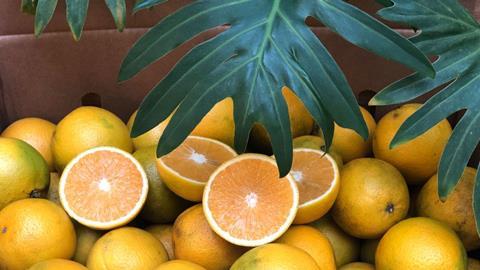
In addition to the large saving with avocados, Eosta calculated that 178mn litres of water were saved during 2025 by its partner citrus growers in Peru, based on a Water Footprint Network calculation of 500 litres of water per kilogram of oranges.
Launched in August 2025, the company’s July Gold Organic Raingrown oranges were the result of two years of intensive preparation, produced in close collaboration with Kivinaki, a cooperative of smallholder farms.
These products reportedly received an enthusiastic reception on the European market in 2025, and will return to the Eosta range in 2026, from June to September.