New data from Spain’s Ministry of Agriculture reveals a broad-based decline in fresh produce consumption across the first eight months of 2026
Spanish households consumed 4.54mn tonnes of fresh fruit and vegetables between January and August 2026, a drop of 2.7 per cent compared to the same period of 2025.
Total expenditure during the eight-month period reached €10.36bn, down 1 per cent, according to the latest data from the Food Consumption Panel of the Ministry of Agriculture, Fisheries and Food, processed by Fepex.
The decline was seen in both fruit and vegetables, ”confirming a downward trend in domestic consumption observed over recent years”, Fepex said.
Fresh fruit accounted for 2.52mn tonnes of the total consumed, down 3.1 per cent, while fresh vegetables reached 1.49mn tonnes, a 2.7 per cent reduction.
Consumption of fresh potatoes stood at 534,000 tonnes, down 1 per cent.
Among the leading fruit varieties, orange consumption fell by 8 per cent to 349,000 tonnes, and mandarin consumption dropped 7 per cent to 131,000 tonnes.
Consumption of apples also decreased 7 per cent to 223,000 tonnes; lemons fell 6 per cent to 61,000 tonnes; and bananas dropped 4.5 per cent to 385,000 tonnes.
Strawberry consumption recorded a 9 per cent year-on-year decline, with 101,000 tonnes consumed, while pears remained virtually stable at 91,000 tonnes.
There was better news for grapes, with consumption increasing 11 per cent, as well as cherries and apricots, with both categories noting growth of 9 per cent, and kiwifruit which grew by 2 per cent.
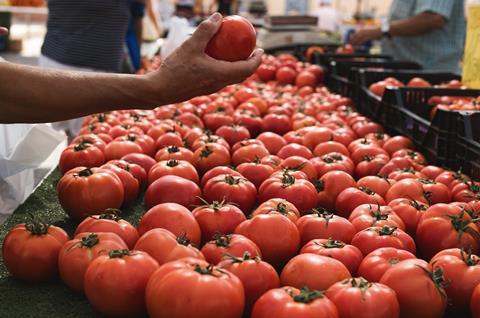
Among vegetables, tomato consumption fell 3 per cent to 365,000 tonnes, while pepper consumption also dropped by 3 per cent, down to 125,000 tonnes.
The consumption of lettuce, escarole, and endive dipped 4 per cent to 101,000 tonnes, while green beans saw the largest decline, tumbling 10 per cent to 27,000 tonnes.
Fepex pointed out that the consumption of cabbages decreased by 4 per cent, while onions fells slightly, down 1 per cent.
Spending on fresh fruit through January-August was down 2 per cent to €5.82bn, while expenditure on fresh vegetables rose 1.7 per cent to €3.917bn, despite a decline in volume consumed.
Spending on fresh potatoes dropped by 7 per cent to €631mn.
“For Fepex, the sustained decline in household consumption is concerning, given the essential role that fresh fruits and vegetables play in a healthy diet,” the association noted.
“The federation considers it a priority to strengthen promotional and nutritional education initiatives to encourage a greater presence of these products in people’s daily diets.”