Innovative cucumbers, lettuce, tomatoes, peppers and more will be championed by Rijk Zwaan in Berlin, as the group continues to prioritise R&D investment
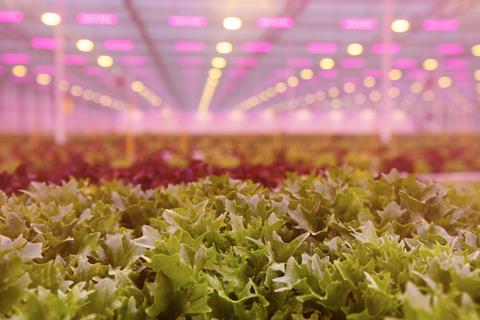
Fresh produce breeder Rijk Zwaan will present several innovative varieties at Fruit Logistica in Berlin, as it looks to demonstrate how it works with growers, processors and retailers to ensure a reliable, year-round supply of fresh fruit and vegetables.
“At Fruit Logistica, we showcase innovations that help growers produce healthy crops and secure production,” said Jan Doldersum, manager chain and retail at Rijk Zwaan.
“This not only strengthens their business but also ensures the fresh produce chain and retailers can offer consumers the quality they expect, every single day.”
Wins across the supply chain
From the group’s Nasonovia Defense lettuce for sustainable pest control, to Blue Leaf cucumbers for robust crops, Rijk Zwaan said its genetic solutions help the entire chain deliver consistent quality, which is a win for growers, retailers and consumers.
Health and nutrition are important factors when developing fresh products, and Rijk Zwaan emphasised its belief that vegetables are the foundation of a healthy lifestyle.
“We’re proud to highlight varieties that deliver not just great taste but are also a natural source of vitamins, like our peppers Tatayoyo and Sweet Palermo,” Doldersum stated.
Crunchiness is also being highlighted in Berlin, with Rijk Zwaan encouraging visitors to try its MyCubies cucumbers, new snack tomatoes like Calchetto, Laurenchetto and Abrametto, and the award-winning Tatayoyo pepper – as well as its brand-new snack lettuce concept, developed together with partners in Spain.
Sales growth
Rijk Zwaan grew its sales by 9 per cent in the 2024/25 financial year, taking its annual total to €684mn.
The group spent over €200mn on research and development worldwide in the last financial year, including €130mn in the Netherlands alone.
“Innovation is the engine of our company,” said board member Ben Tax.
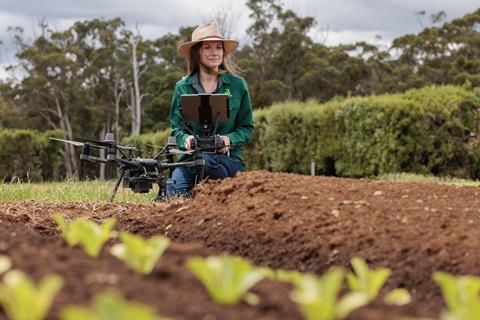
“It enables us to accelerate the breeding process, and to develop varieties that perform well in many different climate conditions, are aligned with sustainable production methods and meet the needs of growers, chain partners and consumers. That’s how we keep making a worldwide impact with our seeds.”
Industry trends
Looking ahead, Rijk Zwaan has created a research document outlining the key trends permeating the fresh produce industry in 2026.
In the document, it put forward a model called ‘Pestle’ covering the strands influencing the business, including political, economic, social, technical, labour, legal and environmental factors.
And the ultimate impact of these on the fresh produce value chain? What Rijk Zwaan calls the ‘six key domains impacting fruits and vegetable chains’.
These are the shifting of growing areas; shifting and new growing systems; rise of mechanisation; resilient crop breeding; reducing waste and CO2; and changing consumer demand.