As warming climate changes production seasons and influences consumer purchases, supplier says adaptability is key
The record-breaking heat wave engulfing much of Europe is quickly shifting the eating habits of consumers, creating challenges for suppliers in the immediate term, while offering a glimpse of the kind of adaptability that may be a requisite in the future.
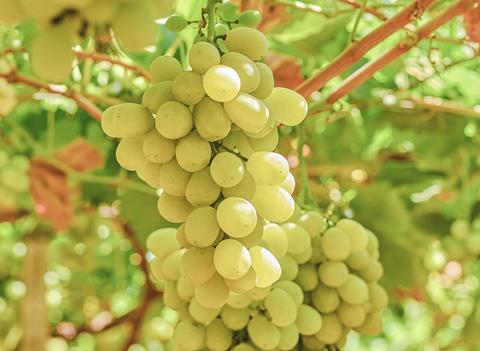
“To be honest, it’s quite challenging,” says Muhammad Fayed of Egyptian producer Pico, which exports a range of products to global markets. “We are now in the grape season, and grapes are one of our biggest items here at Pico, and sales have been declining recently as European consumers switch to other summer crops, like watermelons. This is due to the heat, so you have to adapt to these sorts of changes in consumption.”
The climate, of course, is also affecting production. Egypt’s grape harvest came early this year, the first early white seedless grapes arriving at Pico’s packhouse at the start of May. “That’s maybe five or six days early compared to last season,” says Fayed. “We are already halfway through the season now. All the ultra-early and early varieties have been sold, so we are now moving on to the mid-season varieties.”
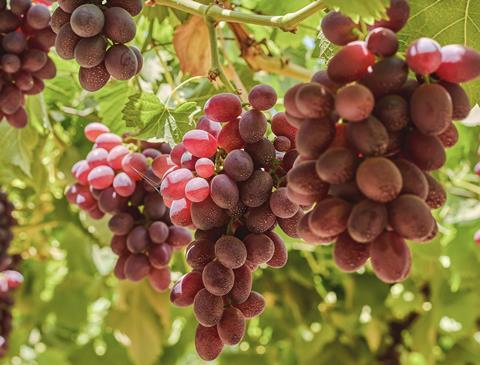
When it comes to varieties, Egypt is becoming more diversified, according to Fayed, with Pico having 22 different commercial varieties currently in the ground. The main goal, he says, is to increase the duration of the Egyptian season.
“We are trying to stretch the season by getting early varieties that can be on the market at the end of the Indian or South African season,” he reveals, “and at the other end we are also trying to add new specialty varieties that have a good market share in Europe.”
Influenced by the high temperatures, the Italian and Spanish grape campaigns are also commencing early this year, highlighting the continuous evolution of Egypt’s European window.
“We understand that the season will be shifting one way or another due to climate change, as well as the different varieties that we choose,” says Fayed. “We are just trying to stay ahead of that, trying to adapt and maintain a place on the market for our varieties. As a grower, we are always experimenting with new varieties, but at the same time, we don’t want to lose our compass.”
According to Fayed, it’s important to remember the ultimate goal, which he says is to have a good variety for each stage of the season, allowing for a smooth transition from the start to the end of the campaign.
“There is no point having four or five varieties competing with each other at the same point of the season,” he notes, “and actually that doesn’t add anything to the market.”
Pico’s export strategy follows a similar line, adding nothing just for the sake of it. “We are expanding the volume we export so we are also adding new countries to our export list,” says Fayed. “This is one of the results of investing as growers in new varieties that can handle the long transit time to markets like the US, for example.”
With some traditional markets for Egyptian grapes becoming increasingly saturated with Egyptian product, including in the Middle East, exploring new markets is crucial, according to Fayed. “It helps to split the risk between different markets,” he explains, “and helps you to constantly learn more about which variety is preferred in which market, and which countries will give better revenue for which variety. That enables you to build your export plan with real accuracy.”
Pico’s grape exports by air to East Asian markets like Hong Kong, Malaysia, Singapore and Indonesia have also been impacted indirectly by the US-Israeli war on Iran. “The shipping cost is 50 per cent higher than what we were paying even in January,” laments Fayed, “so that’s affecting sales.”
The knock-on effect from logistical bottlenecks has equally led to markets being suddenly flooded with fruit. “When the war started, it was the middle of the season for Indian grapes, and containers already on the water were delayed for more than 60 days,” says Fayed. “A week or so ago, that fruit landed on the market, and now it has to be sold somewhere.”