Only a quarter of Brits can identify food high in fibre despite eating about half the recommended amount, according to a new report from M&S, as weight loss medication brings opportunities for fresh produce industry
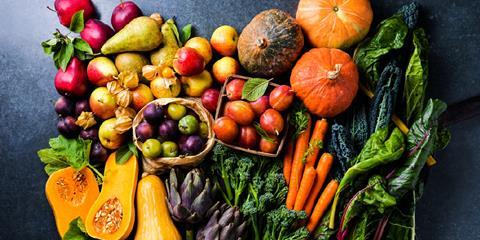
A quarter of consumers struggle to identify fibre-rich food sources with most people only consuming about half of the fibre they need for a healthy diet.
Eating ’a rainbow’ of different fruit and veg and at least five portions a day are among the recommendations in a new report commissioned by M&S, called Bridging Britain’s Fibre Gap, aiming to address the lack of knowledge.
Beans, sweet potato and aubergine are specific examples of produce that can help adults reach the recommended daily amount of 30g of fibre a day, which is vital to support immune function and prevent heart disease and bowel cancer. Adults currently eat about 16.2g of fibre a day, according to
“Our report includes practical steps to drive fibre consumption including clearer labelling on pack, fibre-enrichment of products and more flexibility for retailers to make fibre claims,” said Grace Ricotti, M&S head of nutrition.
MD for M&S Food, Alex Freudmann, wrote in the report foreword that: “We’re doing our bit to close the fibre gap. But we can’t do it alone. We encourage others across the food industry and government to join us in driving meaningful change. Together, we can bridge Britain’s fibre gap.”
It comes as the retailer launched a new Nutrient Dense range earlier this month, with 20 products containing high amounts of fibre and other key nutrients, aimed at those looking for healthier lifestyles or using weight loss medication.
Fibre is a key nutrient for those taking weight loss medication, as metabolic function and immunity needs to be preserved despite people eating around 50 per cent less food overall.
It comes as suppliers and nutritionists told FPJ that the industry could do more to emphasise how fresh produce is uniquely situated to meet the huge uptake in weight loss drugs, where food habits and consumption change drastically.
CEO of supplier Worldwide Fruit, Steve Maxwell, told FPJ that: “I think we’re in the early stages of this journey and we need to make sure prepped ranges don’t take all the positive news, when fresh produce holds so many options for those on GLP-1 diets.”
Retailers have been responding to major shifts in the food environment, including the government’s Food Data Transparency Partnership, which requires them to share and then increase the number of healthy products they sell, as well as impact of weight loss drugs.
“While GLP‑1 medications have captured headlines for their effectiveness in weight loss, experts warn that we cannot rely on drugs alone to solve the nation’s health challenges,” said CEO of the British Nutrition Foundation, Elaine Hindal, who contributed to the M&S fibre report.
“True progress lies in prevention, and that starts with transforming the food environment so healthier choices become easier ones.”
Five tips to get boost fibre, according to M&S nutritionists:
- Eat five sources of fruit and veg a day
- Beans and pulses contain on average 2.5 times more fibre than two slices of white bread
- Eat wholegrains, including brown and wholegrain varieties of rice, pasta, bread and other grains
- Add nuts and seeds on top of soups, salads or breakfast
- Eat the rainbow to ensure fibre diversity
GLP-1 friendly fruit and veg [Source: Alo Solutions for FPJ]
- Fibre: Broad beans, sweet potato, sweetcorn, parsnip, berries, kiwi, pears
- Folate: Kale, parsnip, broccoli, berries
- Vitamin C: Strawberries, kiwi, papaya, aubergine broccoli
- Energy: Parsnip, sweet potato, cherries
- Protein: Beans, peas, spinach, sprouts
Read the full report on weight loss drugs and opportunities for fresh produce in the February print edition of FPJ.