

Investment in varieties, segmentation, marketing and technology will help build more profitable berry business, delegates heard at Fruitnet Berry Congress
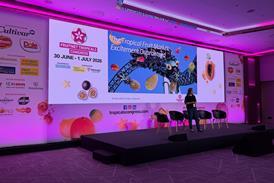
AI, climate change, conflict, inflation, and the global health crisis were all on the agenda this week at Fruitnet Berry Congress on its impressive return to London, at a time when berry suppliers expect to see further dramatic growth in the global market, but simultaneously face some big challenges.
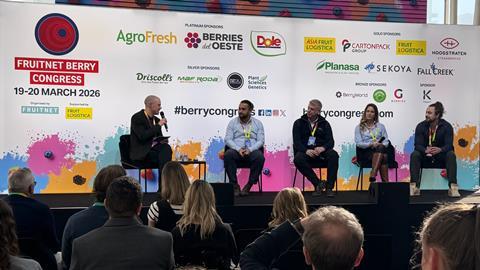
The annual meeting of berry business leaders brought together around 275 delegates from 20 countries on 19-20 March. More than half of those attendees came from outside the UK, and included a large contingent of European retailers alongside producers, exporters, marketers and other key industry players.
During a series of talks and discussions, the conversations reflected a mix of anticipation and trepidation – sparked respectively by booming demand and mounting structural challenges.

New phase
In short, the international berry sector was seen as entering a decisive new phase: one where consumers are ready to buy even more following a period of record growth, but cost pressures all along the supply chain threaten to hold back market growth.
“Brilliant berries are what will continue to drive growth,” said Tesco berry buyer Callum Baker. “Consistency is sometimes still difficult in windows where the quality is not there. Improve that, and you’ll get more repeat purchases. I think growth will continue on its current trajectory – around 10-20 per cent, depending on the berry type.”
Throughout the day, discussions centred on one key question: how to future-proof a category that has become indispensable to modern retail.
From advances in genetics and technologically advanced cropping, to the rise of premium and convenience positioning tied to year-round availability, the consensus at Fruitnet Berry Congress was that new continued investment in better varieties, category segmentation, targeted marketing, and advanced technologies would all contribute to a more profitable berry business in the years to come.
Habit forming
“Look back 20 years and berries had regional, short seasons,” observed Philip Symons, director of EMEA at North Bay Produce. “We’ve managed to create a habit with the consumer, but with 20 per cent of the consumers buying 50 per cent of berries, there is still untapped potential. And lots of new markets that are discovering berries.”
Jill Witheyman, head of marketing, Angus Soft Fruits, identified a need to tap into snacking more. “Look at the different formats and eating occasions,” she said. “We need to focus on Gen Z, tomorrow’s consumers, and give them things like edible skincare and fibremaxxing. We have the best product, but we need to exploit that.”
For consumption to grow further, the berries themselves must, and will, improve, said Mario Steta, president of the International Blueberry Organisation. “The margin of error is getting smaller and smaller – we have to do things right, both individually and as an industry. We are going to see correction, taking out a lot of the bad product by replacing genetics and that is going to have a positive impact.”